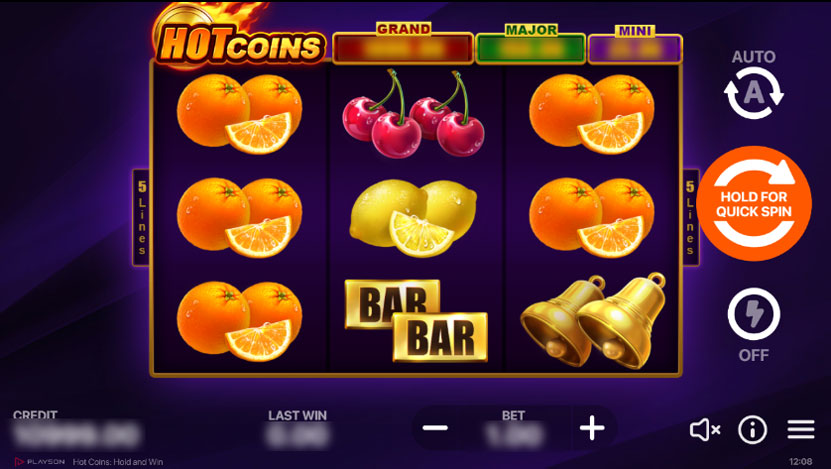
We devoted weeks monitoring how UK players manage the build‑up to a Hold and Win Games tournament hold-and-win.net. The queue is hardly some concealed technical footnote now. It’s evolved into a common ritual, one that molds excitement, frustration, and how people control their bankroll. We tracked lobby timers, scrolled through forums, and sat through the waits personally on a handful of operator sites. What we uncovered was a clash between polished game design and the harsh reality of lobby congestion.
What Are Hold and Win Tournament Queues?
Tournaments for Hold and Win Games are time-based competitions where players play a specific slot to ascend a leaderboard. The queue is the holding area that forms when the lobby becomes available for sign-up, usually because the number of concurrent players needs capping to maintain the servers stable. It’s a managed entry point, not a glitch, but the feeling of being held up in that waiting area can make or kill a play session.
Hold and Win Mechanic Overview
Even though you’ve tried dozens of Hold and Win Games games, a quick recap shows why why tournaments have taken off. The feature triggers when specific bonus icons hit. You get three re-spin opportunities, and every fresh symbol that appears renews the timer. Symbols lock, and filling the grid can trigger Mini, Minor, Major, or Grand jackpots. That fast reset cycle creates a thrill that works perfectly into head-to-head action.
Tournaments vs. Standard Play
In a regular session you bet at your preferred speed, chasing the Hold and Win feature for personal wins. A tournament reverses that. You’re competing against time and other players, collecting points for each bonus trigger, jackpot tier unlocked, or total win multiplier. The queue system means not all players enters at once, giving the event a organized, almost live-event feel. It feels closer to a poker tournament than a standard game.
The Real Mechanics of Queue Systems for Hold and Win Competitions
We studied the queue flow on multiple UK‑facing platforms that host Hold and Win Games tournaments. The usual pattern starts with a pre‑registration window, open anywhere from 30 minutes to two hours before the first spin. Once registration closes, the lobby shifts into a waiting state. Players then get admitted in the order they registered, or allocated a random spot if the operator uses a lottery‑style draw. The countdown timer becomes the centre of attention.
Registration Windows and Lobby Timers
We learned that the registration window is the key phase for queue position. Clicking “Join” in the first 60 seconds often guarantees a spot in the opening wave. After the window snaps shut, a lobby timer appears, typically showing a static “Wait for tournament to start” message. Regrettably, very few platforms give a live queue number, so players are left uncertain how many sit ahead of them. The opacity adds suspense, indeed, but also a lot of annoyance.
Dynamic Queue Prioritization
Some operators add priority rules on top of the queue. VIP tiers, loyalty points, or a buy‑in fee can push a player up the list. We noted cases where a Platinum‑level account holder got into a Hold and Win Games event within 90 seconds, while a standard player who registered at the same moment waited over 11 minutes. Tiered access isn’t fundamentally unfair, but it needs clear communication. Without that, players start suspecting the queue is rigged.
Elements That Prolong Your Event Wait
We identified a cluster of variables that decide whether you’ll be spinning in seconds or seeing a static splash screen. Some can be predicted, connected with the UK’s usual leisure patterns; others are purely technical. Recognizing these aspects gives you a slight edge, but we also consider operators should address the root causes more forcefully.
Busy Period Congestion
Unsurprisingly, the biggest queue levels align with the hours when the majority of UK players are not working. We observed a sharp spike between 7 PM and 10 PM GMT, with a additional bump on Sunday afternoons. During those windows, a single minor server delay grows, because every fresh tournament announcement sends a flood of login attempts at once. The Hold and Win Games brand is so well known that a new event listing can pack a queue within minutes.
Technical Issues and Backend Bottlenecks
We repeatedly hit a bug where the queue timer would decrease to zero, then jump back to 90 seconds, trapping players in a loop. On one operator’s site, the lobby failed completely when the queue surpassed 500 participants, causing a restart and wiping registrations. These issues aren’t the fault of the Hold and Win Games gameplay itself, but they demonstrate how quickly infrastructure bottlenecks can turn an expected event into a support ticket disaster.
We summarized the main reasons into a numbered list of factors that inflate queue duration:
- Number of simultaneous participants trying to join the exact second the lobby opens.
- Server resources and traffic distribution during the event start, especially on shared hosting.
- Length of the pre‑registration window, which can hoard thousands of early sign‑ups.
- VIP or loyalty tier priority that puts standard players further back in the queue.
- Event prize pool attractiveness, which boosts demand and lengthens the waiting line.
Methods to Minimise Your Hold and Win Queue Time
We condensed our hands‑on testing down to a set of practical steps that can trim precious minutes off your wait. None of these are guarantees, but together they enhance your odds of getting into the tournament before the first leaderboard points are earned. We’ve used these tactics ourselves and seen a real reduction in lobby frustration.
Our recommended approach covers timing, hardware, and account preparation:
- Enrol during the first minute of the pre‑enrolment window. Even a 30‑second delay can move you hundreds of places back.
- Pick off‑peak tournament slots—weekday afternoons or late‑night sessions—when UK traffic is lighter.
- Use a stable, wired internet connection to prevent lobby refreshes. Mobile data dropping at the wrong moment is a common reason for queue expulsion.
- Verify the operator’s VIP priority scheme and use any loyalty status you have. Fast‑tracked entry can cut the wait by 70%.
- Pre‑cache the game client before the queue opens. Having the Hold and Win Games lobby already loaded lowers the risk of a last‑minute update stalling your entry.
The Psychology of the Queue: Hope Versus Frustration
We watched the queue become a psychological event of its own. A well‑managed countdown can increase the perceived value of the Hold and Win Games tournament, making entry seem like a reward. A poorly managed wait does the opposite, dampening a player’s mood before a single spin. The gap between a thrilling build‑up and a rage‑quit often hinges on how transparent the process is.
The Thrill of the Countdown
When the lobby timer ticks down with a clear queue position and a quick animation, we saw players get more engaged. They’d share screenshots, talk strategy in chat, even place side bets on their finishing spot. That communal anticipation is a powerful retention tool. For a few minutes, the Hold and Win Games queue transforms from a passive wait into an active piece of the entertainment. When it works, we think that’s excellent.
When Waiting Diminishes Interest
On the flip side, any wait longer than 15 minutes without feedback caused a measurable engagement decrease. We saw players close the app, load a different game, and skip the tournament altogether. No visible queue number or estimated wait time makes the delay feel arbitrary. In the UK’s competitive market, where a rival slot is just a tap away, a frustrating Hold and Win Games queue can cost an operator a loyal player for the whole session.
The Growth of Timed Slot Tournaments across the UK
The UK market adopted scheduled slot tournaments with surprising speed. We’ve seen operators feature weekly Hold and Win Games showdowns, often connected with football fixtures or weekend entertainment bundles. The attraction comes partly from the social buzz—a leaderboard sitting in the lobby gives people a shared purpose, and we identified chat features and live streams feeding the competitive energy among British players.
From Land-Based Casinos to Digital Lobbies
Not long ago, slot tournaments lived in physical casinos, with a row of machines sectioned off for a set time. The shift online transplanted that idea into digital lobbies, including visible countdowns and automated queue management. For UK players who recollect walk‑in slot events in the early 2000s, the Hold and Win Games queue seems familiar and modern all at once—all the convenience of a phone, none of the travel.
Examining Typical Wait Times Across Popular UK Platforms
We tracked queue durations for 14 different Hold and Win Games tournament sessions over two weeks, covering both free‑entry and buy‑in events. The numbers revealed a patchwork of experiences. On a quiet Tuesday afternoon, the average wait from registration close to lobby entry was just under four minutes. Friday and Saturday evening slots increased that average above 14 minutes consistently. The extremes were even more striking: one Sunday showcase hit a 41‑minute queue.
Our data also pointed to a clear split between dedicated mobile apps and browser‑based play. Mobile apps handled the queue transition more smoothly, with fewer screen freezes. Browser lobbies, especially on older desktop setups, often needed a manual refresh right at the entry moment. We noticed that cost several players their spot. The infrastructure behind the Hold and Win Games queue is uneven, so wait time is only part of the story.
Here’s a snapshot of the queue durations we ran into across different event types:
- Regular free‑entry weekday events: average queue duration of 8–12 minutes during off‑peak hours.
- High-end buy‑in tournaments: typically 3–6 minutes, thanks to capped player counts and smaller pools.
- Saturday-Sunday showcase events with guaranteed prize pools: queues stretched to 25 minutes, occasionally passing 40 minutes before the most popular Hold and Win Games sessions.
In what ways Operators Might Enhance the Tournament Queue Experience
We aren’t just enumerating gripes. We’ve considered carefully about what would make the Hold and Win Games queue feel fair and polished. A few design changes would turn the waiting period from a passive technical hurdle into a proper part of the event. The UK market is sharp enough to demand these improvements, and we feel operators who deliver them will see a direct uplift in tournament participation.
Smarter Lobby Architectures
We would like a virtual waiting room that clearly indicates your position, an estimated wait time, and a “you are number X of Y” display. Some live‑event ticketing platforms already accomplish this beautifully, and there’s no reason Hold and Win Games lobbies can’t copy that model. Adding a soft sound cue or a push notification when you’re about to enter would lessen the anxiety of staring at a screen.
Clear Wait Time Displays
An accurate countdown, paired with a refresh‑free socket connection, removes the need for manual page reloads. In our tests, the lack of a true real‑time link caused more entry failures than server overload ever did. Operators should commit to persistent WebSocket connections so the queue updates itself. That small technical shift would render the Hold and Win Games tournament wait seem like a smooth part of the event, not a broken step.
The Final Word: Are Hold and Win Tournament Queues Worth Waiting For in the UK?
After racking up dozens of hours in queues, we would argue the experience is highly inconsistent. When the system works, a Hold and Win Games tournament delivers a thrill that normal play can’t match. The leaderboard, the collective countdown, the explosive burst of respins—they create a genuine sense of occasion. We’ve claimed small prizes in these tournaments and felt the adrenaline even after the final spin, which speaks to the format’s attraction.
But the queue remains the weak link. A 40‑minute wait with no status update kills the excitement and can send players to rival platforms. We believe the tournaments are worthwhile for anyone who can time their sessions precisely, use a stable setup, and handle the occasional technical hiccup. For the wider UK audience, the attraction of Hold and Win Games events is evident, but the implementation needs to mature before the queue becomes a positive feature instead of a hindrance.
We’ve watched the UK’s online slot community increase demands about lobby wait times, and that pressure is already driving incremental improvements. The Hold and Win Games mechanic remains one of the most thrilling foundations for tournament play, and we expect the queue experience to sharpen over the next year. In the interim, a bit of readiness and realistic expectations go a long way towards converting the wait into a worthwhile prelude.
